- Termite Control
Termite Control and Prevention in NC
Termites can cause extensive damage to a home without being noticed until the problem becomes serious. These wood-destroying pests often remain hidden underground, inside walls, beneath floors, or in other hard-to-reach areas while feeding on the wooden components of a property.
Our termite control and prevention in NC services help homeowners identify termite activity, address existing problems, and take proactive steps to protect their properties. Whether you’ve noticed signs of termites or want to reduce the risk of future damage, professional termite services can help keep your home protected.
Termite Control and Prevention in NC
Effective termite control and prevention in NC involves more than treating termites that are visible. Because termites can remain hidden for long periods, professional treatment starts with understanding where activity is occurring and what conditions may be allowing termites to access the property.
Termites are attracted to sources of cellulose, including wood and other plant-based materials. Moisture, wood-to-soil contact, foundation openings, and other conditions can make a property more vulnerable to termite activity.
A comprehensive approach combines inspection, treatment, and prevention. Addressing an infestation early can help reduce the potential for serious structural damage while preventive measures can make your property less vulnerable to future termite activity.

Termite Inspection in NC
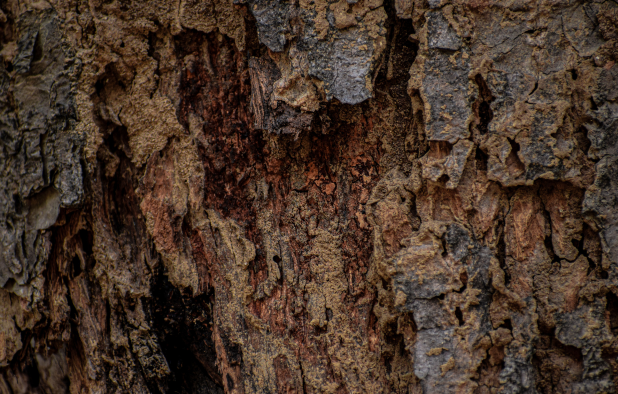
A professional termite inspection in NC can help determine whether your property has signs of current or previous termite activity. Because termites often operate out of sight, an inspection can uncover problems that may not be obvious during a normal walk around the home.
During an inspection, technicians may look for mud tubes, damaged wood, discarded wings, termite swarmers, and other indicators of activity. They may also examine areas around the foundation, crawl spaces, basements, attics, and other locations where termites may gain access to the structure.
Regular inspections can be especially useful for homes that have experienced termite problems in the past or properties with conditions that may increase termite risk.
If you suspect termite activity, scheduling a termite inspection in NC can help identify the problem before it develops into more extensive damage.
Signs of a Termite Infestation in NC
A termite infestation in NC may not be immediately obvious. Termites can remain hidden inside wood or beneath the soil, allowing colonies to grow while damage continues in areas that homeowners cannot easily see.
Some common signs of termite activity include:
- Mud tubes along foundations or walls
- Discarded wings near windows or doors
- Swarming termites during certain times of the year
- Hollow or damaged wood
- Blistering or buckling wood surfaces
- Small holes in wooden structures
- Doors or windows that become difficult to open
- Visible termites around the property
Finding one or more of these signs doesn’t necessarily tell you how extensive the infestation is. A professional evaluation can help determine whether termites are active and identify areas that may require treatment.
The sooner a termite infestation in NC is identified, the sooner appropriate measures can be taken to limit potential damage.
Termite Damage Prevention in NC
Effective termite damage prevention in NC focuses on reducing the conditions that allow termites to reach and remain around your home.
Moisture is one factor that can contribute to termite activity. Leaking pipes, poor drainage, standing water, and damp areas around the foundation can create favorable conditions for pests. Wood that comes into direct contact with soil can also provide termites with an easier path toward the structure.
Homeowners can help reduce termite risks by:
- Fixing plumbing or drainage problems
- Reducing excess moisture around the foundation
- Removing wood debris from around the property
- Avoiding direct wood-to-soil contact
- Keeping crawl spaces and other areas properly maintained
- Sealing potential entry points where appropriate
- Scheduling regular termite inspections
These measures can work alongside professional treatments to help reduce the likelihood of termite activity and minimize the potential for costly damage.
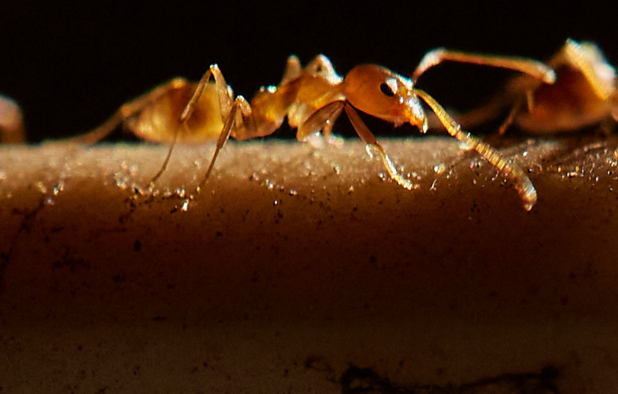
Termite Protection in NC
Professional termite protection in NC can provide ongoing defense against one of the most destructive pests affecting homes. While no property can be completely guaranteed to remain termite-free, proactive protection can help identify activity earlier and reduce the risk of extensive damage.
The right protection approach depends on several factors, including the property’s construction, foundation type, surrounding environment, history of termite activity, and conditions that may attract termites.
A professional termite service can evaluate these factors and recommend an appropriate protection strategy. Depending on the property, this may include treatment, monitoring, inspections, and preventive recommendations.
For homeowners who have dealt with termites before, ongoing termite protection in NC can be particularly valuable in helping monitor for new activity.
Our Termite Control Process
Our termite control process is designed to identify the problem, address existing activity, and help protect your home moving forward.

Inspect the Property
We examine accessible areas of the property for signs of termite activity, damage, entry points, moisture, and other conditions that could increase termite risk.

Identify the Problem
After the inspection, we determine the type and extent of termite activity and identify areas that may require attention.

Provide Targeted Treatment
Treatment is based on the property’s specific conditions and the level of termite activity. The goal is to address the infestation and reduce opportunities for continued activity.

Establish Prevention
Following treatment, we recommend practical preventive measures and monitoring options that can help reduce the risk of future termite problems.
Why Choose Professional Termite Control?
Termites can be difficult to detect and even harder to manage once they become established. DIY products may address visible insects without reaching hidden colonies or identifying the conditions contributing to the problem.
Professional termite services provide a more comprehensive approach by combining inspection, treatment, prevention, and ongoing monitoring when appropriate.
With professional termite control and prevention in NC, homeowners can take action before termite activity results in more significant property damage. Early detection and consistent prevention can help protect the investment you’ve made in your home.

QUESTIONS
Frequently Asked Questions
How do I know if I have termites?
Common signs include mud tubes, discarded wings, damaged or hollow-sounding wood, termite swarmers, and other unexplained changes to wooden structures. A professional inspection can provide a more accurate assessment.
Can termites cause structural damage?
Yes. Termites feed on wood and can gradually damage structural components of a home. If an infestation is left untreated, the resulting damage can become extensive and costly to repair.
How often should I have a termite inspection?
The appropriate inspection schedule depends on your home’s construction, history, surrounding conditions, and termite risk. Regular inspections can help identify activity before significant damage occurs.
Can I prevent termites from coming back?
Professional treatment combined with moisture management, property maintenance, regular inspections, and other preventive measures can help reduce the risk of future termite activity.
Protect Your Home From Unwanted Pests
Termites don’t have to be visible for them to cause problems. Taking action early can help identify hidden activity, address infestations, and reduce the risk of expensive damage.
Whether you need an inspection or ongoing termite control and prevention in NC, professional service can help protect your home and give you greater peace of mind. Schedule a termite inspection today to find out what steps can help keep your property protected.