
- Radon Testing And Prevention
Radon Testing and Prevention in NC
Radon is a naturally occurring radioactive gas that can enter homes through the soil beneath and around a property. Because it is invisible and has no smell or taste, homeowners cannot detect elevated radon levels without proper testing.
Professional radon testing can help determine whether your home has elevated radon levels and whether additional action is needed. Our radon testing and prevention in NC services help homeowners understand their property’s radon levels and take appropriate steps to create a safer indoor environment.
Whether you are buying a home, concerned about possible radon exposure, or simply want to check your property, professional testing provides valuable information about the air inside your home.
Radon Testing and Prevention in NC
Radon testing is the first step in understanding whether elevated radon levels are present inside a property. Since radon cannot be seen, smelled, or tasted, testing is the only practical way to determine the concentration inside a home.
Our radon testing and prevention in NC services are designed to identify potential radon concerns and help homeowners understand what their results mean. If elevated levels are detected, we can recommend appropriate next steps, including professional mitigation.
Radon can enter through cracks in foundations, gaps around pipes, floor drains, crawl spaces, and other openings that connect the home to the surrounding soil. Testing helps identify whether these potential entry points are contributing to elevated indoor radon levels.

Radon Inspection in NC
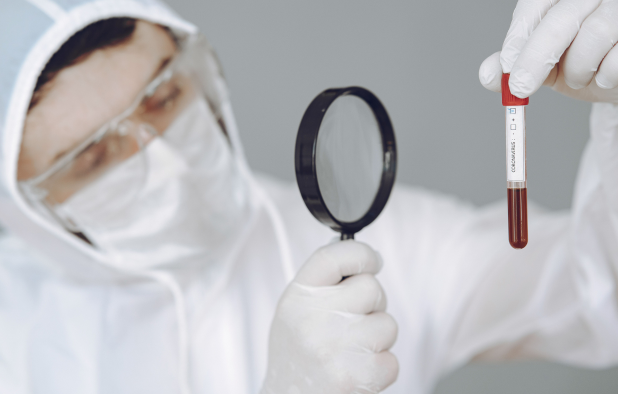
A professional radon inspection in NC provides homeowners with a closer look at potential radon concerns within their property. During an inspection, the property can be evaluated for conditions that may allow radon to enter the home.
Radon can affect both newer and older homes, so age alone does not determine whether a property needs testing. Homes with basements, crawl spaces, slab foundations, or other types of ground contact may have different pathways through which radon can enter.
An inspection can help identify these areas and determine whether testing or additional measures should be considered. Combining a proper inspection with accurate testing gives homeowners a better understanding of their property’s radon risk.
Radon Mitigation in NC
When testing shows elevated radon levels, radon mitigation in NC may be recommended to reduce the amount of radon inside the home. Mitigation is different from testing: testing measures radon levels, while mitigation uses specific systems and techniques to reduce indoor radon concentrations.
A typical mitigation approach may involve collecting radon from beneath the home and safely venting it outdoors. The appropriate system depends on the home’s foundation, construction, and how radon is entering the property.
Professional mitigation is important because the system needs to be properly designed and installed for the specific property. After mitigation work, additional testing can help determine whether radon levels have been effectively reduced.
Radon Prevention in NC
Radon prevention in NC focuses on reducing opportunities for radon to enter and accumulate inside a home. Because radon originates naturally in soil, completely preventing its presence in the ground is not possible. However, homeowners can take steps to reduce indoor radon levels and address potential entry points.
Sealing certain cracks and openings in foundations may help reduce pathways for soil gases, although sealing alone should not be considered a replacement for a properly designed mitigation system when elevated radon levels are present.
Prevention can also involve identifying vulnerable areas of a home and considering radon-resistant measures during construction or renovation. Regular testing remains important because radon levels can vary between properties and may change over time.

Residential Radon Testing in NC
Residential radon testing in NC helps homeowners determine whether radon is present at elevated levels inside their living space. Testing can be especially valuable when purchasing a home, moving into a new property, renovating a foundation, or simply checking an existing home.
Because every property is different, radon testing provides information specific to the individual home rather than relying on general assumptions about radon levels in an area.
If elevated levels are found, homeowners can use the test results to determine whether further evaluation or mitigation is appropriate. Our goal is to provide clear information so homeowners can make informed decisions about their property’s indoor air quality.

Our Radon Testing and Prevention Process
Our approach focuses on understanding the pest problem and providing a practical treatment plan for your home.
Inspect the Property
We begin by reviewing the property and looking for areas that may provide pathways for radon to enter. This can include foundations, crawl spaces, floor openings, and other areas in contact with the soil.
Test for Radon
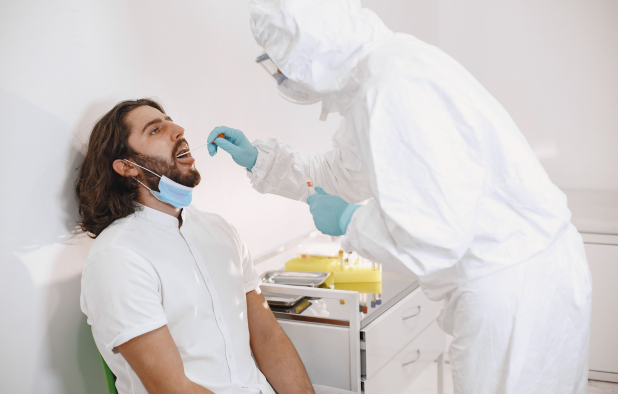
We perform appropriate radon testing to measure the level of radon inside the home. Proper placement and testing procedures are important for obtaining useful results.
Review the Results
Once testing is complete, the results are evaluated to determine whether radon levels are elevated. We explain the findings clearly and discuss what they mean for the property.
Recommend the Next Steps
If elevated radon levels are detected, we can recommend appropriate next steps, which may include additional testing, sealing potential entry points, or radon mitigation in NC.
Why Choose Professional Radon Testing and Prevention?
Radon cannot be identified by sight, smell, or taste, which makes professional testing an important part of understanding potential radon exposure inside a home.
Professional radon testing and prevention in NC gives homeowners reliable information about their property and helps identify whether additional action may be necessary. Instead of guessing whether a home has elevated radon levels, testing provides actual measurements that can guide the next steps.
Professional evaluation can also help identify potential entry points and determine whether mitigation may be appropriate. For homeowners, buyers, and property owners, having accurate information can make it easier to make informed decisions about the property.
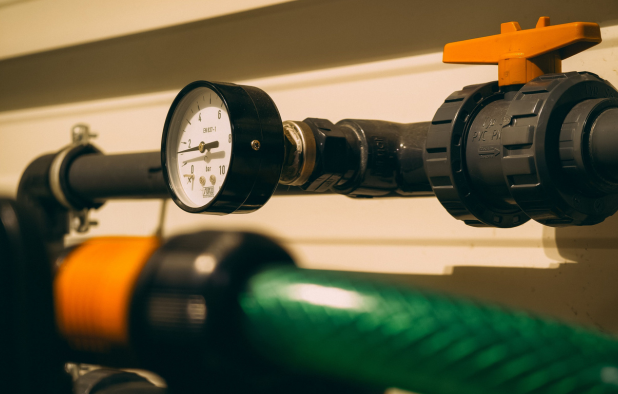
Already have a high radon result?
If a test shows 4 pCi/L or higher, the next step is a system that vents the gas outside. See our radon mitigation service in Greensboro.
QUESTIONS
Frequently Asked Questions
What is radon?
Radon is a naturally occurring radioactive gas produced when uranium in soil and rock breaks down. It can enter buildings through openings and accumulate indoors when ventilation is limited.
How does radon enter a home?
Radon can enter through cracks in foundations, gaps around pipes, floor drains, crawl spaces, sump pits, and other openings between the home and surrounding soil.
How do I know if my home has elevated radon?
You cannot determine radon levels by sight, smell, or taste. Residential radon testing in NC is the practical way to determine whether elevated levels are present inside your home.
What happens if elevated radon levels are found?
If testing identifies elevated levels, a professional can evaluate the property and recommend appropriate radon mitigation in NC measures to reduce indoor radon concentrations.
Get Professional Radon Testing and Prevention in NC
You do not have to guess about the radon levels inside your home. Professional radon testing and prevention in NC can help you understand your property’s radon levels and determine whether additional action is needed.
Whether you need a radon inspection in NC, residential testing, or mitigation after elevated levels are discovered, professional evaluation can help you take the appropriate next step.
Contact us today to schedule professional radon testing and learn more about protecting your North Carolina home.